Viewing entries in
Personal Safety

National Coming Out Day: Your Story, Your Timing

Comment

National Coming Out Day: Your Story, Your Timing

National Coming Out Day, observed on October 11, is a reminder of how much it can mean to feel accepted as yourself.

For some LGBTQ+ people, coming out is a joyful conversation. For others, it's something they're still thinking through. And sometimes the right decision is to wait.

That's a decision you get to make.

Your Story Belongs to You

Coming out doesn't need to happen all at once. You might tell one trusted friend, speak with a family member, or keep parts of your life private in certain settings.

A date on the calendar doesn't create a deadline.

Think about who you trust, where you feel comfortable, and what support you would want afterward. If sharing could affect your housing, financial support, or personal safety, give yourself time to make a plan with someone you trust.

The Human Rights Campaign's coming-out resources can help you think through those choices at your own pace.

Make Room for Support

If you're planning an important conversation, you can arrange a check-in with a trusted person afterward. Agree on a time and what you want them to do if they don't hear from you.

Virtual Halo's Check In feature can help you let selected contacts know you're okay. Choose people you feel safe sharing with, and consider what notifications might reveal on a shared phone or visible screen.

If you designate emergency contacts, make sure they've actively consented. Without that consent, they will not receive emergency texts.

Technology can support the arrangement. The conversation about what you need still matters.

Be the Person Someone Can Trust

If someone comes out to you, listen. Thank them for trusting you. Ask what support would be helpful.

And keep their confidence. Being told someone's story doesn't give you permission to tell it to anyone else—or post it online.

You don't have to deliver a perfect speech. A simple "I'm glad you told me" can mean quite a lot.

I've always believed personal safety should help people live with confidence and independence. That includes having control over what you share, when you share it, and with whom.

Your story. Your timing. And support that respects both.
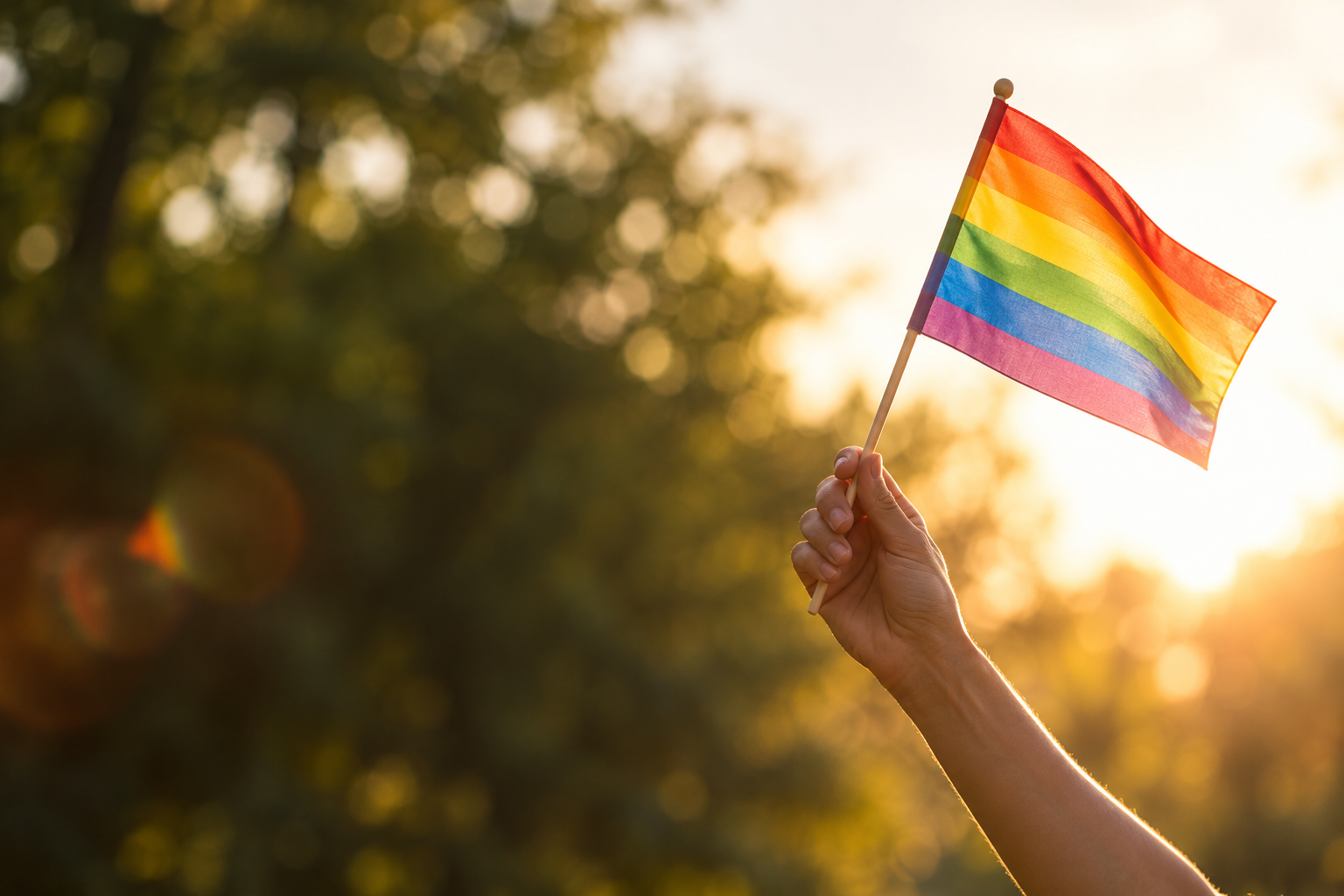
An adult hand holding a rainbow Pride flag in warm sunlight against softly blurred trees.

Comment

Articles On How To Care For Your Gear

Comment

Articles On How To Care For Your Gear

Being “outdoorsy” brings a lot of responsibility with it, including how to care for your gear. You can’t be safe if your gear isn’t safe, and gear is a large investment. It’s important to do all you can to maintain your equipment - from hiking boots and sports bras to tents and how to fix a flat bike tire.

REI Outfitters has done a great job pulling together really well written articles on a ton of topics, which we’ve broken down below to make it easy for you to access. Summer is almost here - get your gear ready and get out there; time waits for no person.

REI Outfitters Expert Advice - Care & Repair Articles

Double-click to edit...

Comment

National Park System - Hike Safe Program

Comment

National Park System - Hike Safe Program

Summer is almost here, and with the nicer weather, people are looking to get out, explore nature, hike, bike, rock climb, paddle, and do countless other things in the wilderness, including at the amazing United States National Park System. Our friends at the NPS have put together a great “Hike Safe Program” that we thought would be great to share. Enjoy the outdoors! And, be safe out there…

http://www.nps.gov/yose/planyourvisit/hikingsafety.htm

  • Have a plan

  • Inform someone of where you're going and when you plan to return, utilizing Virtual Halo’s “Going Out” feature if you don’t have anyone handy to tell before your trip

  • Keep a flashlight and whistle with you

  • Eat well, stay hydrated, carry plenty of water

  • Stay on the trail

  • Ask for HELP!

  • Familiarize yourself with the area - use of a map

  • Expect changes in the weather

Comment

Top 25 Travel Tips for 2021

Comment

Top 25 Travel Tips for 2021

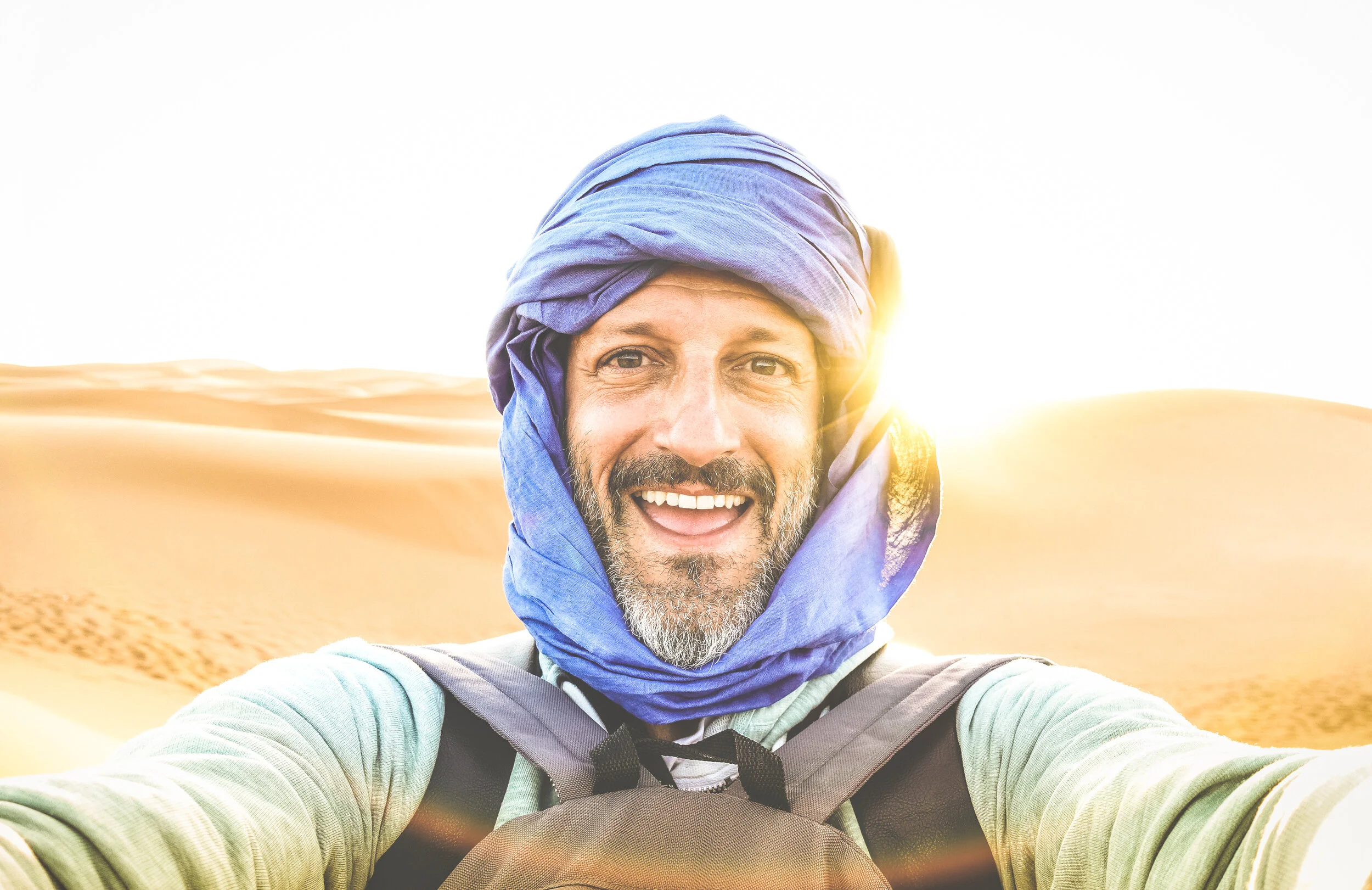
Solo Travel (man)

After traveling the globe for the past 23 years, I've learned a lot about personal safety when traveling - especially solo. Here are my top 25 safety tips for avoiding trouble on your trip:

  1. Beware of scammers, pick-pockets and getting robbed.
  2. Write down emergency contacts with phone numbers and email addresses.
  3. Keep copies of your ID, credit cards and passport somewhere safe other than your wallet / purse.
  4. Check the State Department website before you travel internationally.
  5. Lock up your valuables.
  6. Get travel evacuation insurance.
  7. Be careful of not getting sick.
  8. Don't drink un-bottled water.
  9. Ask locals for advice.
  10. Register with your embassy.
  11. Email your itinerary to family or friends.
  12. Don't share too much personal information with strangers, including where you're staying or your itinerary.
  13. Don't do stupid things for photos.
  14. Splurge on extra safety
  15. Be aware of the cultural implecations of your clothing; try to blend in, not stand out.
  16. Stay "tethered" to your bag.
  17. Learn basic self-defense.
  18. Be situationally aware.
  19. Tell your bank and credit card companies where you'll be traveling.
  20. Hide emergency cash - you will almost always need it.
  21. Use ATM's wisely.
  22. Stop using your back pocket.
  23. Travel in numbers when possible.
  24. Pack a first aid kit.
  25. Trust your instincts!

Bonus for Women: The travel safety tips I've listed above are equally important for both men and women; I don't think the ability to travel safely has anything to do with gender.

Unfortunately, women are victims of violence everywhere, including here in North America. Women worried about beign assaulted or harrrasedmight prefer to visit a local street festival or market or nightclub in a grup rather than alone.

Comment

Tips To Prevent Date Rape

Comment

Tips To Prevent Date Rape

Rapists are not always strangers or anonymous attackers. When someone you know - a date, steady boyfriend, casual friend or partner - forces you to have sex, it's still rape.

The Bureau of Justice reports that seven out of 10 victims of sexual assault know their attacker.

Preventing Date Rape

There are several things you can do to protect yourself when you are dating:

  • Do not let alcohol or other drugs decrease or interfere with your ability to take care of yourself and make sensible decisions.

  • Do not accept beverages from someone you don't know and trust. Always watch your drink and never leave it unattended, at any time.

  • Follow your instincts. If a place or the way your date acts makes you nervous or uneasy, get out. If you need to call a friend to escort you home, don't hesitate to do so.

  • Check out a first date or a blind date with friends. Meet in and go to public places. Don't leave a social event with someone you have just met or don't know well.

  • Carry money for a phone call, taxi, ride sharing service or, better yet, take your own car.

  • Have a personal protection app like Virtual Halo on your smartphone so you can let your emergency contacts know if you’re in a dangerous position along with your exact location.

What to do when someone you care about has been sexually assaulted

When supporting a survivor of sexual violence, don't be judgmental or take control away from the victim. Try to communicate the following ideas to the victim which will greatly assist healing.

  • "I'm glad you're alive."

  • "It's not your fault."

  • "I'm sorry it happened."

  • "You did the best you could."

The following guidelines will also help to build a sense of trust and safety in the survivor.

  • Let the victim make his/her choices

  • Be a good listener.

  • Try to minimize the number of times the victim must tell what happened.

  • Always respect the survivor's confidentiality.

If you have been raped...

  • Get medical attention as soon as possible.

  • Do not shower, wash, douche or change your clothes. Valuable evidence could be destroyed.

  • Don't isolate yourself. Don't feel guilty and don't try to ignore it. Rape is a crime and should be reported.

  • Get counseling to deal with the emotional trauma.

  • Call your nearest rape crisis center.

If you think you've been assaulted while under the influence of a drug such as Rohyponol or GHB, seek help immediately, try not to urinate before providing urine samples, and, if possible, collect any glasses from which you drank.

What are "date rape" drugs?

Rohyponol ("roofies," "roopies," "circles," "the forget pills") works like a tranquilizer. It causes muscle weakness, fatigue, slurred speech, loss of motor coordination and judgment, and amnesia that lasts up to 24 hours. They look like an aspirin - small, white and round - and are colorless and flavorless. When dissolved in liquids, they can take effect in as little as 20 minutes.

GHB (also known as "liquid X," "salt water," or "scoop") also causes quick sedation. Its side effects include drowsiness, nausea, vomiting, headaches, dizziness, coma and death. The drugs most common form is a clear liquid, although it can also be a white, grainy powder.

Both of these powerful sedatives are illegal if possessed in New York State, especially if used in the commission of a sexual assault.

If you think you've been assaulted while under the influence of Rohypnol or GHB, seek help immediately. Try to save your urine in a clean glass container, as well as any glasses from which you may have drank.

Rohyponol and GHB are called the date rape drugs because when they are slipped into someone's drink, a sexual assault can take place without the victim being able to remember what happened.

The myths - The truth

  • "It can't happen to me." 
    Anyone can be sexually assaulted. Studies show that victims range in age from infancy to people in their nineties, and include people from every racial, economic, religious and social background. Each minute, 1.3 women are raped (National Victim Center and Center for Crime Victims Treatment and Research, 1992).

  • "She asked for it." 
    No one asks to be sexually assaulted. Nor does anyone's behavior justify or excuse the crime. People have a right to be safe from a sexual violation at any time and place, and under any circumstance. The offender, not the victim, is responsible for their actions.

  • "Most offenders are men who differ from the victim in race or ethnicity." 
    Over 90% of sexual assaults occur between people of the same racial or ethnic background.

  • "Most sexual assaults are committed by strangers at night in out-of-the-way places." 
    Familiar people and places are more dangerous. As many as 80% of sexual assaults are committed by someone the victim knows (FBI statistics). Over 50% of sexual assaults occur in the home and as many occur during the daytime as happen at night.

  • "Only women can be raped." 
    The FBI estimates that as many as one in ten men are victims of sexual assault. Other researchers estimate that between one in four and one in seven male children are sexually abused.

Resources:

Comment