
You've picked a trail, packed your bag, and found a place where your phone finally stops interrupting you.
Sounds pretty good.
But before you enjoy being unreachable, there's a conversation worth having: What happens if you need help while you're out of reach?
A safety plan needs to work even when your phone can't send a message.
Make the Plan Before You Lose the Signal
Tell someone you trust where you're going, which route you intend to take, and when you expect to return. Agree on when they'll take action if they haven't heard from you, and who they should contact.
"I'll be back sometime tonight" leaves quite a bit to interpretation.
A clear return time and a shared plan give the person at home something useful to work with. If your plans change, update them while you still have a connection.
Use Going Out Before You Go Off-Grid
Before you lose your connection, set up Virtual Halo's Going Out feature and enter the time you expect to be back on-grid.
If you haven't returned to connectivity by that expected time, Going Out lets your emergency contacts know. It also gives them your last known location, so they have a starting point for where to look and information to share with emergency responders.
That location is a starting point, so tell your contacts your planned route, too. Make sure they've actively consented to being your emergency contacts; without that consent, they will not receive emergency texts from Virtual Halo.
A little preparation before you leave can give the people at home something useful to act on, even when you can't send them a message.
Download It. Then Check It.
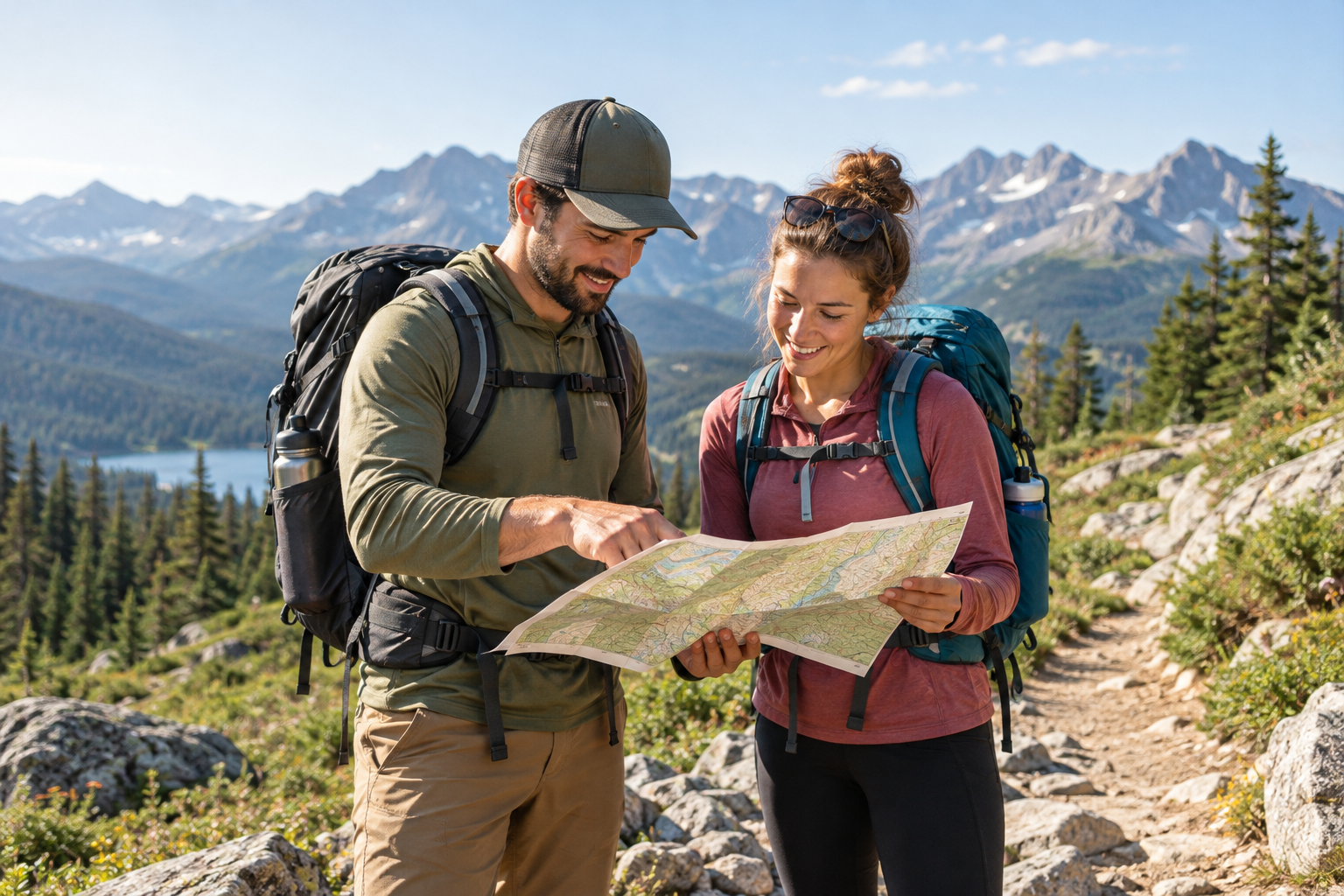
Save the maps and route information you'll need before leaving. Open them while offline to check that they're actually available.
A map you meant to download isn't much use halfway through a hike.
Carry a paper map and compass where appropriate, and know how to use them. Offline information can help you navigate; it doesn't provide a connection for sending alerts.
Know What Your Equipment Can Do
Charge your phone and bring a portable battery. For remote trips, consider a satellite communicator or personal locator beacon appropriate for your plans. Learn how it works before you need it, including any activation or subscription requirements.
Check local conditions and carry supplies for the weather and the unexpected. The National Park Service's hiking safety guidance is a useful place to start.
Give Your Safety Plan More Than One Way to Work
Sending a new SOS from your device requires a connection. That's why setting up Going Out while you're still connected matters: you put your expected return time and overdue notification plan in place before becoming unreachable.
That's why the conversation before your trip matters so much. Someone can know your plan even when they can't hear from you.
If conditions change or the trip feels beyond your preparation, turn around. The trail will be there another day.
Get out there. Enjoy being disconnected. Just make sure someone knows what to do if you stay disconnected longer than planned.